In senior living discourse today, the concept of “community” has become a popular buzzword. From marketing materials to industry conferences, we hear the term invoked as if its mere utterance guarantees residents’ wellbeing, satisfaction, and fulfillment in later life.
But what does “community” truly mean, especially for older adults considering various senior living options, and for the professionals who serve within the senior living industry?
What does it mean to live in a ‘community’?
The Latin origin of the word “community,” communitas, literally speaks to togetherness and shared obligations: com– with/together, and munis– performing services or duties. But etymology aside, the concept of “community” is not just about physical proximity or population headcount. It isn’t simply “a lot of people living near each other.”
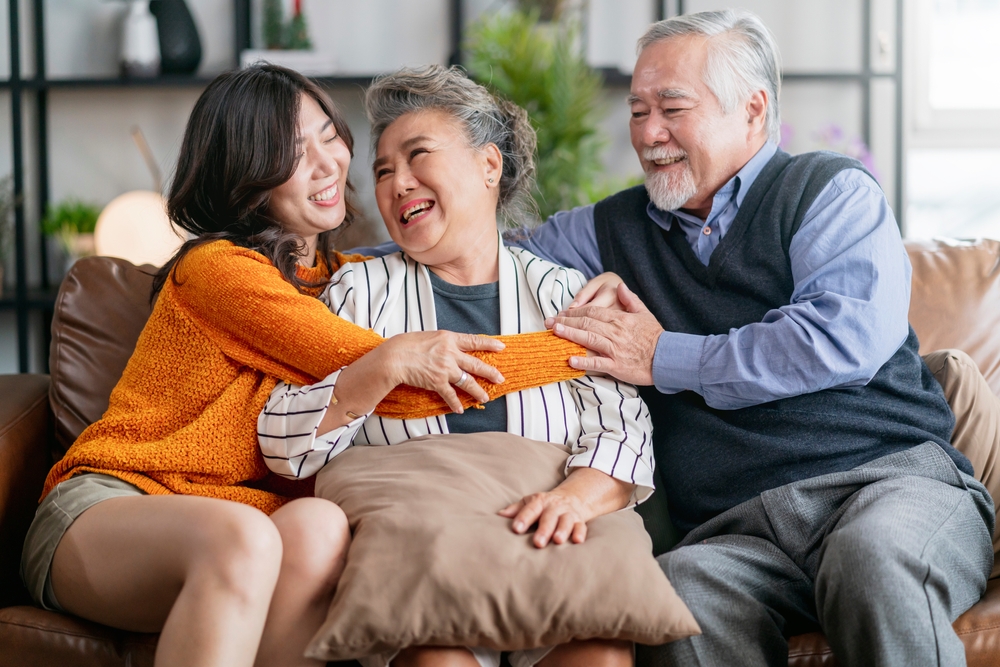
In its truest sense, a community is an intricate web of relationships, shared experiences, mutual support, and meaningful engagement. It encompasses a sense of belonging, connection, and purpose. Indeed, at its heart, living in a community involves:
- Interdependence: People in a community support each other in physical, emotional, and social ways.
- Shared purpose: There is something bigger than the individual within a community. There are common values, activities, and goals that bind the members together.
- Mutual engagement: People in a community do not just coexist; they participate. They share meals, celebrate milestones, support one another through challenges, and contribute in ways that matter to one another.
For older adults, especially those transitioning from solo living in a single-family home to a retirement community, these elements of “community” can be truly transformative. Research shows again and again that strong social ties and community involvement correlate with better emotional health, reduced loneliness, and even improved physical outcomes for older adults.
>> Related: Social Connection Among the Benefits of Retirement Communities
Why thriving communities matter in senior living
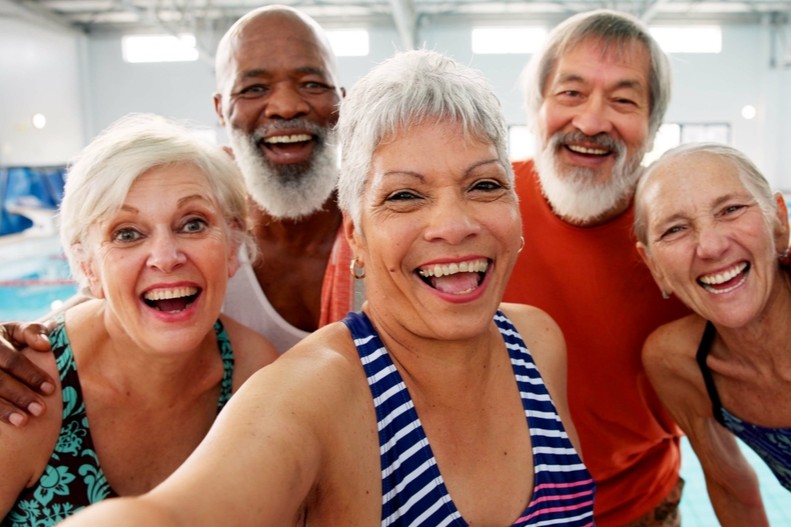
Go to almost any retirement community website and you’ll see photos of smiling residents and language touting the many wonderful things about their community. And there’s no doubt that most senior living communities are indeed great places to live, offering residents an array of services and amenities.
But a vibrant retirement community has characteristics that go well beyond robust amenities or busy event calendars. In fact, I would contend that a genuinely thriving retirement community must actively enhance its residents’ lives.
What might that look like? While the list below isn’t comprehensive, it offers some food for thought on what a successful retirement community should bring to its residents.
Emotional connection and a sense of belonging
A community should offer more than activities; it must offer places to belong. When retirement community residents feel seen, known, and valued, emotional resilience grows and depression and anxiety are less likely to take root.
>> Related: Comfort, Convenience, Connection: The Key Benefits of a Retirement Community
Opportunities for participation and contribution
Communities thrive when people are not passive observers but rather are encouraged (though not pressured) to actively contribute. Whether through social clubs, volunteer opportunities, mentoring younger people, or group discussions, a sense of purpose fosters dignity and joy among many retirement community residents.
Holistic wellbeing
The physical, intellectual, and emotional dimensions of each member’s life combine to flourish in a community context. In a retirement community setting, structured group activities and shared spaces nurture overall well-being, helping residents stay physically active, socially engaged, and cognitively stimulated.
Intentional design
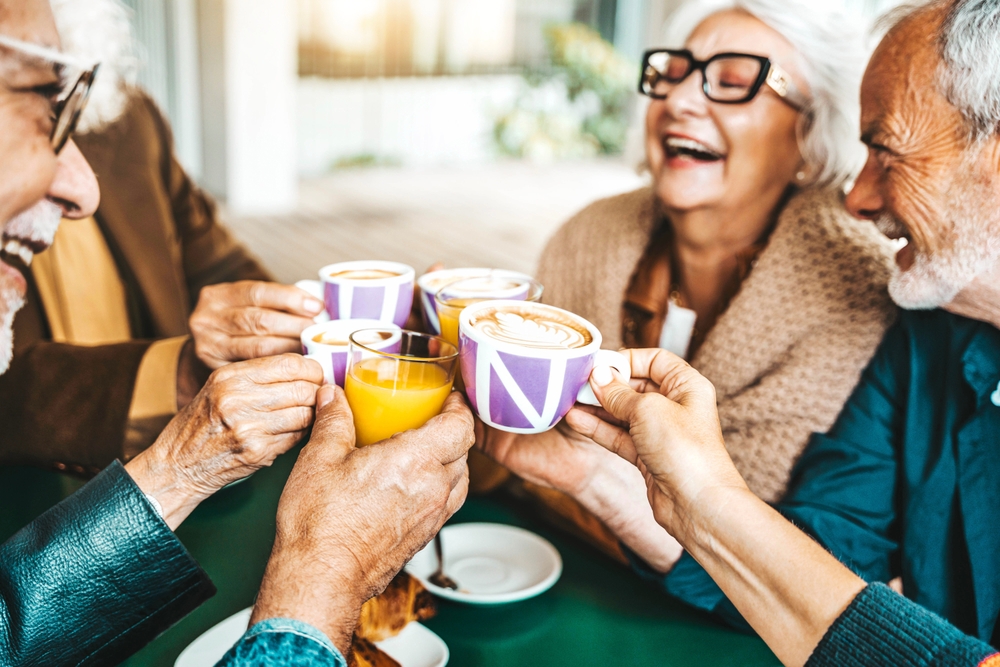
Physical spaces matter when it comes to nurturing a sense of community, as well. Thoughtful design elements, like communal gardens, coffee bars and cafes, and group activity spaces, encourage serendipitous encounters and deep connections alike.
>> Related: Emerging Trends Reshaping Senior Living Community Design
‘Community’ also includes staff, families
Within the senior living and care industry, one of the most vital expansions of the “community” concept is who we include in it. For years, retirement communities were typically described in terms of their resident populations alone. However, today’s industry best practice models recognize that these communities extend beyond the residents who call them home.
For instance, staff members are an essential part of the community’s ecology and have a tremendous impact on the overall experience of residents. Indeed, for many retirement community residents, staff members become a part of their extended family.
And there’s little doubt that the staff’s sense of belonging, professional engagement, and emotional wellbeing have a direct impact on the quality of service and care they provide. When staff feel valued and connected, that positivity ripples outward, shaping their daily interactions with residents, strengthening trust, and creating an environment where everyone feels more supported and secure.
Loved ones also play a critical role in the sense of community for senior living residents. Family members are not simply visitors or observers; they are important partners in the ongoing story of each resident’s life. Inviting loved ones into celebrations, caregiving conversations, and community events deepens relationships and fosters a caring sense of belonging.
I’d even go one step further to suggest that in the healthiest and most successful retirement communities, staff and families actually work in tandem with residents, actively collaborating and consulting as a unified team. This inclusive, holistic approach reinforces the idea that “community” is a shared experience, built on connection, respect, and mutual support. It also mirrors the interconnectedness of vibrant neighborhoods and intentional communities within the broader population.
>> Related: The Heart of the Community: How Retirement Community Employees Enrich Residents’ Lives
Moving beyond buzzwords toward meaningful living
Right now, the senior living industry as a whole (and perhaps especially life plan communities- also known as continuing care retirement communities or CCRCs) is actively redefining the concept of “community.” Rather than simply adding more services or fancier amenities, thoughtful, forward-thinking senior living operators are leading this charge by asking an important question: How do we cultivate connection, mutual support, and purpose for our residents, their loved ones, and our staff members?
With this question in mind, it’s worth challenging both prospective retirement community residents and industry professionals to look beyond surface definitions of “community.” A flourishing community will nearly always be:
- Relational, not simply transactional
- Inclusive of all stakeholders
- Built on shared purpose and mutual support
- Designed for meaningful engagement every day
When we within the industry learn to consistently think this way, senior living communities can transform from “a place to live” into a place to thrive. And when prospective residents consider their senior living options, they will learn to recognize the value of a true sense of “community.” It’s not just another amenity listed in a brochure, it’s at the heart of aging well.
FREE Detailed Profile Reports on CCRCs/Life Plan Communities
Search Communities