

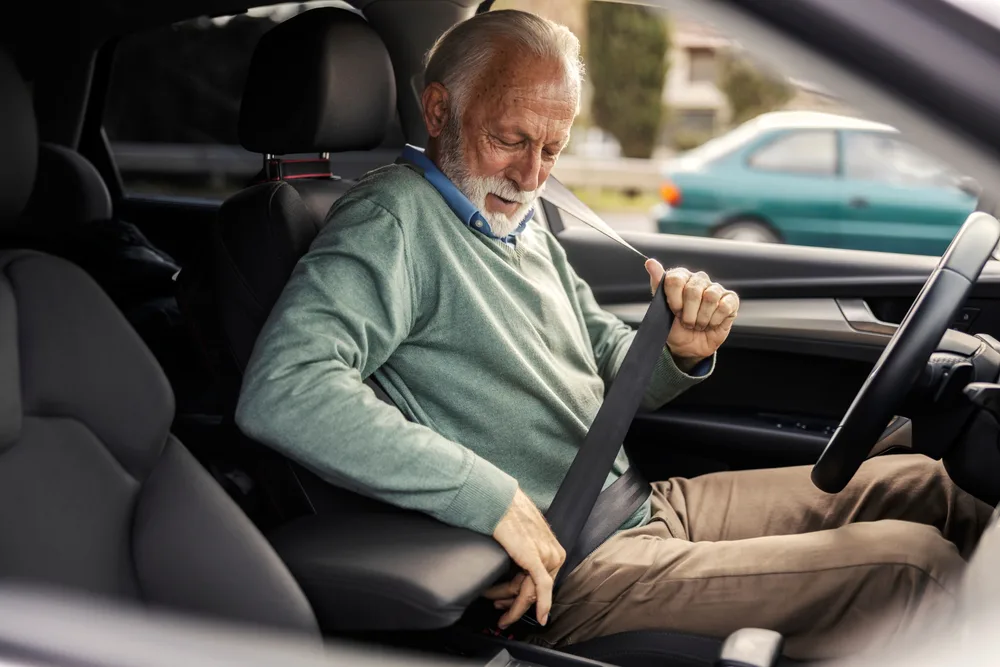
For many people, driving represents far more than transportation; it symbolizes independence, identity, and connection to loved ones, routines, and community life. As people grow older, however, driving can become more … complicated. Physical changes, certain health conditions, and slower reaction times may gradually affect the ability to safely drive, even when a person still feels confident behind the wheel.
A recent national survey sheds light on how older adults think about driving today, how they feel about their future behind the wheel, and how prepared they are for the possibility that driving may no longer be safe for them at some point. Understanding these survey findings can help older drivers and their families approach this sensitive topic with empathy, transparency, and respect.
National poll of older drivers
In late 2025, the University of Michigan Institute for Healthcare Policy & Innovation released a report on their most recent National Poll on Healthy Aging entitled, “The Road Ahead: Driving Behaviors, Confidence, and Planning Among Adults Age 65+.” The poll surveyed a nationally representative group of 2,883 older Americans (ages 50 to 97) about their driving habits, confidence behind the wheel, and plans for their future transportation needs.
The survey’s results present an insightful look at older drivers’ perceptions on this sometimes-sensitive topic.
Driving is still central to daily life for many older adults
The call of the road has been a hallmark of the American experience since Henry Ford began mass-production of the Model T in 1908. And over 100 years on, driving remains a major part of life for most older adults in this country.
It’s therefore no surprise that the Healthy Aging poll found that nearly two-thirds (62%) of Americans age 65 and older report driving a vehicle most days over the past six months. Another 22% of older adults say they drive at least once a week. Interestingly, only 10% of survey respondents reported not driving at all.
Demographically, the older adults most likely to drive frequently tended to be men, people with higher household incomes, and individuals who reported good or excellent physical and mental health.
Many have high driving confidence now … but less certainty about the future
Among the older adults who currently drive, the survey uncovered strikingly high confidence in their abilities. In fact, more than 4 out of 5 (81%) said they are “very confident” in their current ability to drive safely.
However, when asked to think ahead five years, many older adults’ level of confidence in their driving capabilities dropped sharply. Only 43% said they felt “very confident” about their future driving safety, while 51% said they were only “somewhat confident,” and another 5% noted they were “not very confident” that they would be able to safely drive five years down the road.
Notably, these figures suggest that many older drivers recognize that changes may be coming in the next few years, even if they feel capable of driving today.
Long-term transportation planning gaps are common
Despite older adults’ concerns about their future driving abilities, contingency planning is limited. More than half (54%) of drivers age 65+ reported they do not have a plan in place for transportation if they can no longer drive. What’s more, 84% were unfamiliar with the concept of an “advance driving directive”: a written plan that outlines preferences and designates decision-makers related to future changes in a person’s driving ability.
After learning what an advance driving directive (ADD) is, however, 70% of survey respondents said it was important to have one, suggesting openness once the idea is explained. You can learn more about advance driving directives on the American Academy of Estate Planning Attorneys website.
Self-regulation is already happening in many cases
There was one particularly important finding within the survey of older drivers: Many are proactively adjusting their habits to stay safe. The poll found that more than 2 out of 3 (68%) older adults avoid driving under certain conditions, such as:
- Bad weather (53%)
- Nighttime driving (48%)
- Heavy traffic (25%)
- Unfamiliar places (16%)
- Freeways or interstates (15%)
These proactive adjustments reflect a level of self-awareness and a desire to balance independence with safety, both for the older driver and others on the road.
Connecting driving confidence to safety concerns
While confidence is important, it does not always align perfectly with actual driving ability. Age-related changes in vision, hearing, flexibility, reaction time, and cognition can affect driving gradually and unevenly.
The Health Aging poll found that some older adults already experience driving challenges related to vision changes (14%), temporary health issues such as surgery or injury (5%), or physical and mobility limitations (4%) that affect their driving abilities.
Importantly, a mere 6% of older adults surveyed have ever discussed their driving with a healthcare provider. This suggests that key opportunities are being missed for proactive, supportive conversations about safety, adaptive strategies, and future planning.
From a public safety perspective, most older drivers are indeed safe, cautious drivers, and motivated to protect themselves and others on the road. Still, research consistently shows that crash risk increases with certain common age-related medical conditions and functional impairments, especially when combined with complex driving environments. Recognizing when driving is becoming risky is not about blame or shame; it is about safety and accident prevention.
Why “taking the keys away” from older adults is often so difficult
For loved ones, few conversations are more emotionally charged than concerns about an older adult’s driving. Adult children often worry about their parents’ safety behind the wheel, but they fear damaging trust, triggering anger, or stripping away mom and dad’s independence. Older adults, meanwhile, may experience such conversations as threatening or dismissive, even when they come from a place of love.
So-called “driving cessation” is often associated with a real sense of loss for older adults. It can translate to decreased social engagement, increased isolation, and even higher rates of depression. For someone who has driven for decades, losing the ability to drive can understandably feel like losing a part of themselves.
This is why proper framing of such conversations is so essential. Rather than a sudden, unilateral decision (often described as “taking the keys away”), aging experts often recommend an approach focused on planning, partnership, and dignity.
The Healthy Aging poll’s findings reinforce this strategy. Many older adults acknowledge future uncertainty but have not yet translated that awareness into concrete plans. Therefore, helpful strategies for families might include:
- Starting conversations early, before a crisis (like a wreck) occurs
- Involving the older adult in decision-making
- Utilizing neutral third parties, such as physicians or occupational therapists
- Focusing on shared goals like safety, independence, and quality of life
Here again, advance driving directives can be especially useful because they allow older adults to express their wishes before driving becomes potentially unsafe. The Centers for Disease Control and Prevention (CDC) has a tool called MyMobility Plan, which some older adults and families may also find helpful during this process.
Transportation alternatives for older adults: What comes next?
The good news for older adults is that stopping or reducing driving does not have to mean giving up an active lifestyle. The Healthy Aging poll found that many respondents already use driving alternatives:
- 44% received rides from loved ones or friends in the past year
- 21% used rideshare services (like Uber or Lyft)
- 14% used public transportation
However, access to these transportation alternatives can be uneven. For instance, some survey respondents reported that rideshare services (5%) or public transportation (9%) were not available where they live. This is where conscientious community design, and especially retirement community planning, can make a meaningful difference for older adults.
Transportation advantages for retirement community residents
It’s worth noting that many retirement communities are specifically designed with reduced driving in mind. Retirement community amenities commonly include:
- On-site options for dining, fitness, and other activities that reduce the need for off-campus travel
- Scheduled shuttle services for shopping, medical appointments, and social outings
- Walkable community layouts and accessibility features
- Organized group transportation for educational, social, or cultural events and excursions
These built-in options can soften the emotional impact of giving up driving, replacing loss with convenience and connection. What’s more, retirement community residents gain predictable, dignified ways to stay engaged in their daily lives. And for adult children, such transportation support can ease caregiving stress and reduce concerns about their loved ones’ safety.
Planning not just for safety but for long-term independence
Driving as we age is not an all-or-nothing proposition. Many older adults adapt their habits gradually over the course of several years by adjusting when, where, and how they drive. Eventually, though, most people will need to reduce or stop driving altogether at some point. When that time comes, the goal should not be restriction but rather continued independence through thoughtful planning and strong support systems.
With this in mind, one of the most important insights from the recent National Poll on Healthy Aging is that planning ahead can help preserve independence. Waiting until a driving incident occurs often forces rushed, painful decisions. In contrast, early conversations and gradual transitions allow older adults to retain more control of their choices.
Health systems, families, and communities all have a role to play here. By talking openly, planning early, and embracing transportation alternatives, such as those available in retirement communities, older adults and their loved ones can navigate this transition with compassion, respect, and confidence.
The road ahead may indeed change as we grow older, but with thoughtful planning, connection, purpose, and dignity never have to be left in the rearview mirror!