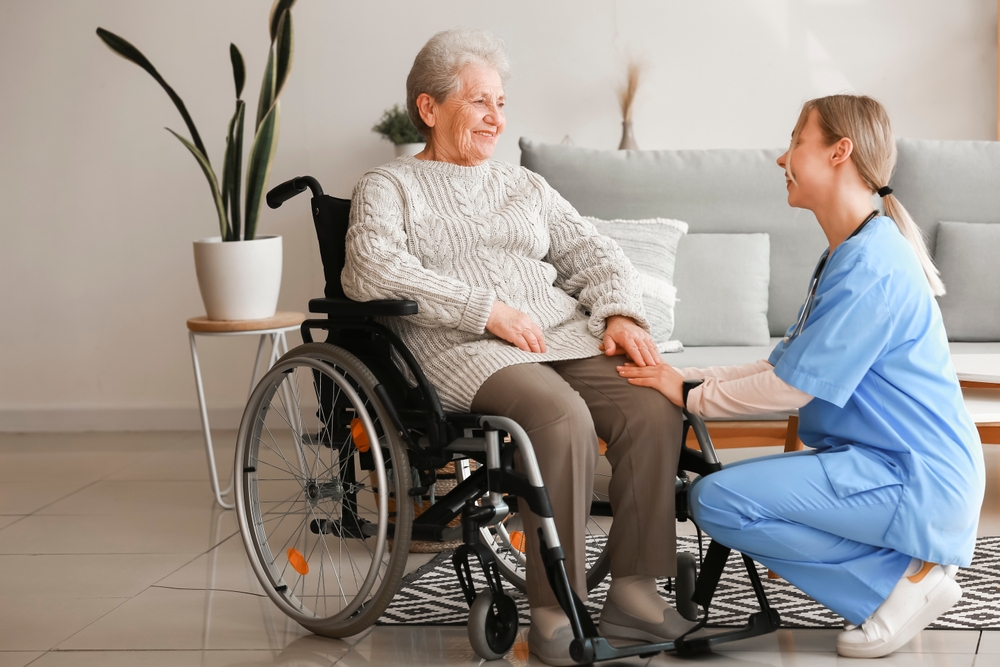

For many decades, Americans’ life expectancy has been trending upward (though COVID did create a temporary dip). Advances in medicine, nutrition, and public health have allowed millions of people to live well into their 80s and 90s. But alongside that achievement comes a growing challenge that experts increasingly describe as a “dementia tsunami”: a dramatic rise in older adults with dementia that will reshape aging, caregiving, and senior living in the United States for years to come.
A look at the ‘dementia tsunami’ stats
The numbers are staggering. According to the 2026 Alzheimer’s Association Facts and Figures Report, an estimated 7.4 million Americans are currently living with Alzheimer’s disease (the most common form of dementia); that’s approximately 1 in 9 people (11%) who are age 65 and older. And that number is projected to nearly double by 2050.
By 2030, every member of the Baby Boomer generation will be at least 65 years old — the age group at greatest risk for dementia. As that cohort grows older, researchers at the CDC estimate that Alzheimer’s cases in the United States could reach nearly 14 million by 2060.
This expanding wave of cognitive decline is not simply a medical issue. It is setting the stage for a social, economic, and caregiving crisis that will affect older adults, their adult children, healthcare providers, and the senior living industry alike. Families that are considering various senior living options need to understand that the decisions they make today may become even more consequential in the years to come as this dementia tsunami grows.
>> Related: What is Memory Care and What Are the Odds I Might Need It?
Why dementia cases are rising
The increase in dementia is primarily driven by demographics. Simply put: More Americans are living longer. Age remains the greatest risk factor for Alzheimer’s disease and other dementias, and the oldest Baby Boomers are now entering their 80s — the years when dementia becomes far more common. Longer lifespans are a remarkable achievement, but they also mean more people are living long enough to experience age-related cognitive decline.
At the same time, many chronic health conditions associated with dementia risk including diabetes, hypertension, obesity, and cardiovascular disease remain widespread in the U.S. Researchers increasingly emphasize that brain health and overall physical health are deeply connected.
The result is a perfect storm: a rapidly aging population, longer life expectancy, and rising rates of chronic disease occurring all at once.
>> Related: Dealing with the Dementia Communication Barrier
A caregiver shortage no one is prepared for
While dementia diagnoses are climbing, the pool of available caregivers is shrinking.
Traditionally, older adults relied heavily on unpaid family caregivers like spouses or adult children. But modern demographics are changing that equation. Families are smaller than they were generations ago, and adult children often live farther away from aging parents. Many are also balancing careers, raising children, and caring for their own health concerns at the same time.
The CDC estimates that over 11 million Americans currently provide unpaid dementia care for a loved one, contributing nearly 19 billion hours of care annually. That unpaid labor is valued at well-over $470 billion per year. Yet at the same time, many report severe emotional, physical, and financial stress as a result of their caregiving responsibilities. And studies consistently show that dementia caregiving creates higher levels of burnout than caregiving for many other chronic illnesses.
The unpaid caregiver shortage also affects professional caregivers. According to the Alzheimer’s Association 2026 Facts and Figures report, the United States will need nearly 800,000 additional direct care workers between 2024 and 2034 to care for the growing population of people living with dementia. Meanwhile, annual turnover rates in caregiving professions remain extraordinarily high (upwards of 80%) due to low wages, emotional strain, and workforce burnout.
Even physician shortages are becoming alarming. Primary care doctors often report inadequate access to dementia specialists in their communities, and experts warn that the country does not have nearly enough geriatricians or neurologists to meet future demand. A recent MarketWatch report highlighted that some states are already considered “dementia neurology deserts,” where access to specialized dementia care is severely limited.
Here again, for older adults and their families, this means that waiting until a crisis occurs may significantly limit senior living and care options.
>> Related: Cost of Dementia Care Can Be an Overwhelming Financial Drain
The emotional reality for dementia family caregivers
Family caregivers often carry enormous guilt when considering care for a loved one with cognitive decline or dementia. Many promise themselves they will provide care at home indefinitely, especially if remaining in the home is what their loved one wants. While that goal comes from love, dementia caregiving can become extraordinarily demanding over time.
Memory loss is only one part of dementia. As the disease progresses, individuals may experience wandering, personality changes, night-time wakefulness, paranoia, aggression, falls, incontinence, and difficulty recognizing loved ones. Providing safe care can become a 24-hour responsibility.
Family caregivers for those with dementia frequently describe exhaustion, depression, declining physical health, and social isolation. Many sacrifice careers, retirement savings, and their own well-being to keep loved ones at home for as long as possible.
Families should remember this important truth: Choosing a senior living community with memory care is not abandoning a loved one. In many situations, it is the most compassionate and sustainable decision available. Professional dementia care teams are trained to manage behaviors, routines, safety concerns, and therapeutic engagement in ways that most families simply cannot replicate alone at home.
>> Related: Special Considerations Surround Unpaid Dementia Caregiving
Society’s role in addressing the ‘dementia tsunami’
The dementia tsunami cannot be solved by individual families alone. It requires a broader societal response. The United States will need to invest significantly more in caregiving infrastructure, dementia research, workforce development, and caregiver support programs. Policymakers, healthcare systems, and insurers all have critical roles to play in:
- Expanding training and compensation for professional caregivers
- Increasing support for family caregivers through respite care and workplace flexibility
- Growing the geriatric healthcare workforce
- Investing in dementia-friendly community design and transportation
- Encouraging earlier conversations about aging and long-term care planning
- Supporting affordable senior living and memory care options
The senior living industry also needs to innovate and evolve rapidly to address the approaching dementia tsunami. Retirement communities that succeed in the coming decades will likely be those that prioritize dementia expertise, staff retention, resident engagement, personalized care, and family support services.
Consumers are becoming more informed as well. Families increasingly ask whether retirement communities have dementia-trained staff, secure memory support programs, cognitive wellness activities, and clear plans for residents whose memory care needs change over time.
>> Related: Understanding Memory Loss and Memory Care Communities
Why senior living planning matters more than ever
For many older adults, conversations about senior living are emotional and uncomfortable. People often associate a move to independent living, assisted living, or memory care with a loss of autonomy. But the growing dementia crisis is changing that conversation. Increasingly, the senior living industry is becoming part of the solution to a national caregiving shortage that many families are already experiencing firsthand.
Modern retirement communities can provide things many families struggle to sustain at home: consistent support, social engagement, safety, medication management, nutrition, and specialized dementia care services. And for older adults experiencing early cognitive changes, moving into a supportive senior living environment sooner rather than later may help reduce isolation, improve quality of life, alleviate stress, and avoid dangerous situations that often arise when support needs increase unexpectedly.
Of course, not every senior living resident requires memory care. But one of the advantages of proactively moving to a retirement community that offers a continuum of care (such as a life plan community, also known as a continuing care retirement community [CCRC]) is the ability to transition gradually as needs evolve. A resident may begin in independent living, later move into assisted living, and eventually access memory care or skilled nursing care if needed. That flexibility matters because dementia is typically progressive and can be unpredictable.
Older adults and families who begin planning early often have more senior living choices, greater financial control, and more input on future senior living and care decisions. By contrast, those that delay planning frequently face stressful, rushed decisions following a hospitalization, wandering incident, medication error, or caregiver burnout crisis.
>> Related: 3 Reasons Seniors Delay a Senior Living Move … and Why It May Be Time to Reconsider
A challenge … and an opportunity
The coming dementia tsunami will affect nearly every family in some way, placing unprecedented demands on caregivers, healthcare systems, and senior living communities. But it also presents an opportunity to rethink how we support aging in America … with greater compassion, better resources, and environments designed to help older adults thrive safely and with dignity, even in the face of cognitive decline.
For families beginning to explore senior living options, the most important step may simply be starting the conversation now rather than waiting until a health crisis forces difficult decisions under pressure. Conversations about aging, caregiving, and future support needs can feel uncomfortable, but having them early often affords older adults more choice, more independence, and a greater voice in shaping the next chapter of their lives.
While no single family can solve the dementia crisis alone, proactive planning, informed decision-making, and strong community support can make an enormous difference. And the families who begin preparing today will be the ones best equipped to navigate future unknowns with confidence, stability, and peace of mind.
FREE Detailed Profile Reports on CCRCs/Life Plan Communities
Search Communities