

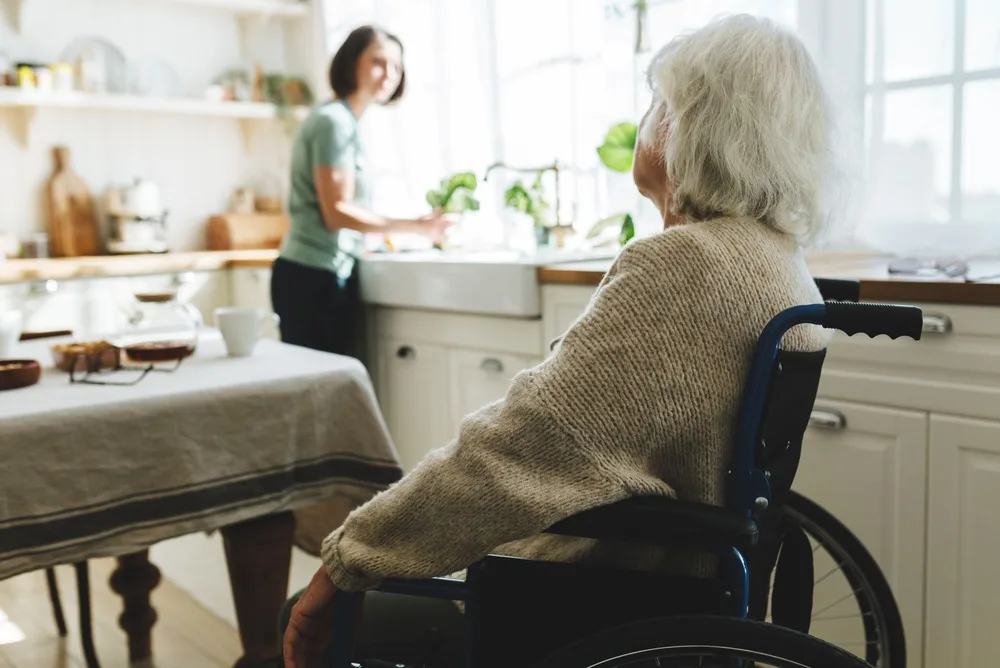
For millions of Americans, caregiving has quietly become a second full-time job. According to Caregiving in the U.S. 2025, the most recent report from the National Alliance for Caregiving (NAC) and AARP, approximately 63 million Americans (nearly 1 in 4 adults) now provide ongoing care to a loved one with a medical condition or disability, a staggering 45% increase since 2015.
These findings paint a sobering picture of the growing pressures facing many families as our population ages. But the report also underscores an important reminder for older adults and their loved ones: Planning ahead for future care needs has never been more important.
America’s family caregiving crunch
America’s caregiving system is increasingly relying on family members. The NAC report found that 59 million Americans are caring for an adult with a chronic illness, disability, or age-related condition. The average family caregiver is 51 years old, and women continue to shoulder most of the responsibility, accounting for 61% of these caregivers.
Many family caregivers are also stretched thin as they juggle other responsibilities. Nearly one-third are part of the so-called “sandwich generation,” simultaneously caring for aging parents while raising children or supporting grandchildren.
As Americans live longer on average, family caregiving demands are only expected to grow. According to the U.S. Census Bureau, by 2034, adults age 65 and older are projected to outnumber children for the first time in the nation’s history, fundamentally reshaping family caregiving needs and long-term care demands.
The reality is simple: There are not enough formal care services, professional caregivers, or affordable long-term care options to meet this rapidly growing demand. Families are therefore filling the gaps.
Interestingly, this 2025 report is the first to include both unpaid family caregivers as well as those who are paid for the care they provide to an adult loved one under Medicaid HCBS self-direction waivers, Veterans Affairs, or other state programs.
According to the data, approximately 11.2 million family caregivers reported receiving compensation for at least some of the care they provide. However, many of these caregivers said they provided both paid and unpaid care, indicating that they were only compensated for a portion of their caregiving responsibilities. In fact, of the nation’s 59 million family caregivers, just 1.9 million identify as “paid family caregivers only.”
>> Related: The High Price of Family Caregiving
Family caregiving is becoming more intensive
What’s more, today’s caregivers are doing far more than occasionally checking in on an older parent. The NAC report found that:
- The average family caregiver spends 27 hours per week providing care.
- Nearly 1 in 4 family caregivers (24%) provide 40 hours or more of care each week.
- Thirty percent have been caregiving for a loved one for five years or longer.
- Sixty-five percent help with activities of daily living (ADLs) such as bathing, dressing, or transferring from a bed or chair.
Many family caregivers also are performing medical and nursing tasks that once would have been handled by healthcare professionals including medication management, injections, wound care, and monitoring of chronic health conditions. Somewhat concerning, only 11% of caregivers have received formal training to provide this type of care.
For older adults and families, these findings highlight an important truth: Caring for a loved one often evolves gradually but can quickly become complex and even overwhelming in certain scenarios.
>> Related: Family Caregiving Can Present Stressful Challenges
The hidden costs of aging in place
Most older adults want to remain in their homes for as long as possible. According to AARP’s 2024 Home and Community Preferences Survey, 75% of adults age 50 and older want to age in place in their current homes and communities. But the new caregiving report raises an important question: Who will provide the care needed to make aging in place possible? The answer is often family members.
The NAC report found that 40% of caregivers live with the person they care for, and another 35% live within 20 minutes. Those living with the care recipient provide significantly more care and often receive less outside assistance with those caregiving tasks. This is due in part to the inability to find affordable support services such as home health aides, transportation, meal delivery, and respite care when needed.
For some families, aging in place remains the right choice. For others, the growing complexity of care may eventually make other senior living options such as independent living, assisted living, memory care, or skilled nursing safer and more sustainable. The key is to begin conversations about senior living and care preferences and goals before a crisis occurs.
>> Related: Senior Living: Is it Really “Cheaper” to Stay at Home?
Family caregiving is taking a toll
The emotional, physical, and financial impacts of caregiving are substantial. According to the NAC report:
- Nearly half of family caregivers report experiencing at least some negative financial consequences as a result of their caregiving duties. For instance, one-third have stopped saving money, while 24% have depleted their short-term savings.
- Caregiving can take a marked mental and physical toll too. Sixty-four percent of family caregivers report high emotional stress, 45% experience physical strain, and 1 in 5 rates their own health as “fair” or “poor.” Additionally, 24% say they feel alone.
These findings should serve as a wake-up call for older adults and their loved ones. When a family caregiver becomes overwhelmed, exhausted, or experiences declining health, the older adult receiving care is affected as well. Caregiving is therefore not simply a personal responsibility; it is a public health issue.
Dementia caregiving is playing a major role
The report also highlights the growing impact of dementia and cognitive impairment on family caregiving. Eleven percent of caregivers report caring for someone living with dementia (including Alzheimer’s disease), and another 19% care for someone with another memory-related condition. This finding is particularly important because dementia caregiving often requires:
- Increased supervision
- Added assistance with daily activities
- Behavioral management
- Greater emotional support
- Longer durations of care
Memory-related conditions are also one of the leading reasons families ultimately seek paid help such as assisted living, memory care, or skilled nursing services. For families facing a loved one’s dementia diagnosis, early planning can make a significant difference in the long run, reducing future stress and improving quality of life for everyone involved.
>> Related: Special Considerations Surround Unpaid Dementia Caregiving
Senior living can be part of the solution
The findings of Caregiving in the U.S. 2025 are not meant to suggest that families should stop caring for their loved ones. Rather, they highlight the importance of planning ahead and building support systems around both older adults and caregivers. For some, that includes the decision to move to a senior living community.
In many cases, senior living does not replace family caregiving; it supplements it, providing residents with:
- Opportunities for social engagement and reduced isolation
- Assistance with activities of daily living
- Medication management
- Nutritious meals and transportation
- Memory care services
- Relief for exhausted family caregivers
- Predictable care planning and support
A move to a senior living community allows family members to remain involved with their loved one’s care but with the professional support that is needed to help prevent burnout and improve everyone’s quality of life.
>> Related: Collaboration Between Paid Caregivers, Family Essential in Long-Term Care
The gift of planning ahead
One of the most important lessons from the NAC report is that family caregiving responsibilities rarely arrive all at once. They often begin with small tasks … like running occasional errands, helping with appointments, or managing medications … and gradually become more frequent and complex.
Unfortunately, many families wait until an emergency, a hospitalization, or a caregiver crisis forces difficult decisions about care-related tasks and/or the care recipient’s living arrangements.
In almost every case, the better approach is to plan ahead. That’s why older adults should consider discussing important topics with their loved ones such as:
- If I can no longer live safely at home, what are my preferences?
- Who would provide assistance if my care needs increased?
- Would my family be able to manage intensive caregiving responsibilities?
- What financial resources are available for my future care needs?
- Should we explore independent living, assisted living, or memory care options before a crisis occurs?
Of course, you cannot control every future health challenge, but you can prepare for them. Having conversations now, exploring senior living and care options early, and creating a proactive plan for future care needs may be one of the greatest gifts families can give one another.