

Artificial intelligence (AI) is writing a lot of headlines lately … literally! Whether it’s a story about AI taking over the world or a report about the AI bubble’s impending rupture, it seems like everywhere you turn, AI is making news. But what does “AI” mean exactly, and why do older adults need to understand what AI can (and can’t) do?
What is AI?
AI refers to computer systems that can recognize patterns, understand language, and make decisions or predictions in ways that resemble human thinking. Many people use AI every day without even realizing it. Voice assistants like Amazon’s Alexa and Apple’s Siri, automated security systems, and online chatbots all use AI technology to interpret speech, process information, and respond in helpful ways.
Indeed, AI is no longer something futuristic; it is quietly shaping daily routines, communication, and access to information.
How older adults are using AI today
For older adults in particular, AI offers new tools that can support independence and safety. The National Poll on Healthy Aging conducted a survey in February 2025 shows that older adults are already using AI in diverse and practical ways.
Voice assistants
For instance, the survey found that more than half (55%) of U.S. adults age 50 to 97 have used some kind of AI tool they speak or type to, and 51% have used one in the past year. This includes virtual assistants, chatbots, and other interactive systems.
These voice-responsive AI technologies can make daily tasks easier for older adults, help people stay connected or informed, and even provide companionship, making AI increasingly relevant as people plan for aging in place or consider different senior living options.
Many rely on voice assistants for everyday tasks such as setting timers, playing music, checking the weather, or getting quick answers to general questions. Most find these tools helpful for maintaining independence, with a large majority saying they are at least somewhat beneficial to safely living at home.
Security and safety
AI-driven home security systems are also becoming more common. Roughly one-third (35%) of older adults surveyed in February have used systems such as smart doorbells, alarm systems, or security cameras that rely on AI to detect motion or identify unusual activity.
Among these AI users, nearly all described the systems as beneficial for safety and independence, suggesting that technology is beginning to supplement the sense of security traditionally provided by neighbors, family members, or in-person caregivers.
Information, entertainment & connection
Older adults also use AI for gathering information, entertainment, and staying in touch. Many report using AI tools to search for general information, learn about new topics, plan trips, or assist with writing tasks. Some even describe using AI for social engagement, whether it’s communicating more easily with friends and loved ones or enjoying interactive features such as games or voice-activated storytelling.
Even though health information was not the most common use among survey respondents, a portion of older adults (14%) did say they use AI to explore medical questions, suggesting that AI is increasingly part of how people seek information about their well-being.
>> Related: “Smart Aging” Technology Makes Seniors’ Lives Simpler, Safer, More Social
Trust, skepticism, and risks: What older adults are saying about AI
Despite growing use, many older adults maintain a healthy skepticism about AI — a critical eye that many people would be wise to emulate. Nearly half of those surveyed reported having little trust in AI-generated information. Indeed, a major theme from the 2025 poll was transparency: 92% of respondents want to know whether content is produced by a human or AI.
Confidence in evaluating accuracy is mixed, however. Only about half of respondents feel somewhat able to identify misleading or incorrect AI responses, and those in fair or poor health are even less confident.
Privacy risks are another significant concern, and rightly so, especially with AI tools that collect personal data or monitor daily routines and health behaviors. At the same time, older adults are both cautious and curious. While more than 80% want to learn about possible AI risks, over half also want to explore its potential benefits, reflecting a thoughtful approach to this emerging technology.
>> Related: How Technology Is Reducing Long-Distance Caregiver Burden
How AI can support aging in place, today and in the future
Technology is improving people’s lives in countless ways, but one of AI’s most promising roles among older adults may be its ability to help them safely remain in their homes longer.
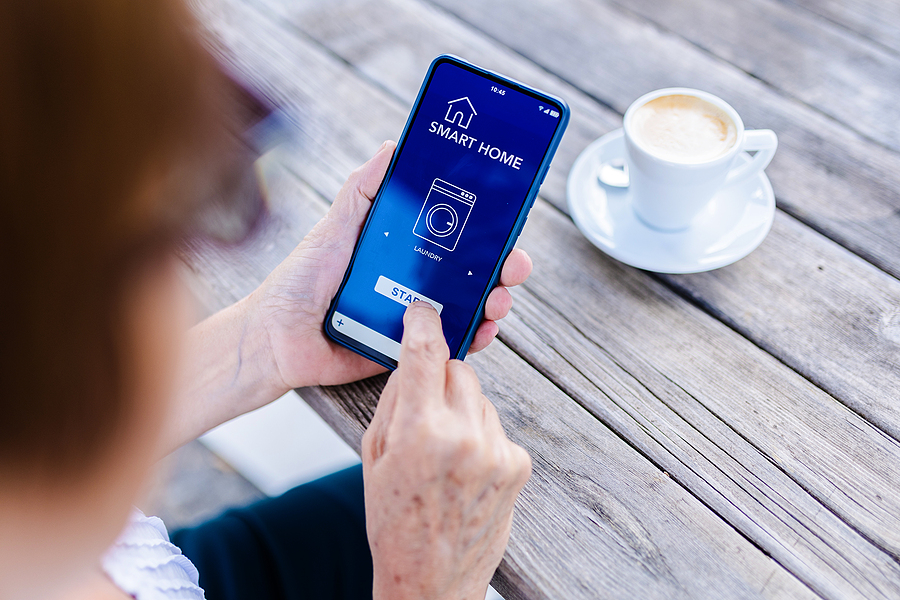
For example, there are AI tools that offer real-time support and can reduce the need for constant in-person monitoring. AI-powered voice assistants can provide reminders for medication and appointments, help locate misplaced items through verbal commands, or simplify routine tasks such as adjusting thermostats or controlling lighting. For individuals with mobility or vision challenges, these features can make a noticeable difference in comfort and daily functioning.
AI-enabled home monitoring and security systems are another high-tech option that makes it possible to age in place. Such tools can help identify risks or spot unusual behavior patterns. For example, smart sensors or doorbell cameras can send alerts if there is unexpected activity, while automated systems can help ensure that doors are locked or appliances are turned off. These tools can offer peace of mind to both older adults and the family or caregivers who support them.
Research is also expanding the possibilities of AI in home-based support. One emerging technology, known as MemPal, being studied at MIT uses a wearable camera and voice prompts to create a searchable record of daily activities, helping older adults find lost objects or recall details more easily.
Another concept gaining traction is the use of “digital twin” technology, where an AI model learns a person’s usual routines and identifies changes that may signal health or safety issues. While still in development, such innovations suggest a future in which AI may work quietly in the background to anticipate risks and offer timely support, further extending the ability to age in place.
>> Related: The CCRC of the Future: Technology
Tips for older adults (and their families) on using AI safely
Using AI wisely begins with awareness. Older adults can use AI safely and confidently by keeping a few key best practices in mind:
- Be aware of when information may be AI-generated; maintaining a healthy skepticism is often wise.
- Verify AI responses using trusted sources for decisions related to high-stakes situations like health, finances, or safety.
- Treat AI as a starting point, not a final authority.
- Review privacy policies before using smart devices, and limit personal information shared with chatbots or digital assistants.
- Seek out training through community centers, libraries, or other organizations to build digital confidence.
AI meets senior living and care decisions
For people considering their potential senior living options, AI is becoming an important part of the conversation. AI-based smart devices can extend the time someone can safely remain at home by supporting independence and reducing safety risks. While certain technologies require an initial investment, they may help prevent falls, medication errors, or other events that can lead to costly hospitalizations or transitions to higher levels of care.
AI tools can also complement the services offered in senior living communities, helping residents stay connected, remember important tasks, and maintain a sense of control over their daily routines. For families evaluating senior living communities, be sure to ask about communities’ technological capabilities including smart-home features, staff training on digital tools, or AI-supported monitoring systems.
Ultimately, AI is not about replacing human support but enhancing it. Used thoughtfully, it can make life more convenient, more connected, and more secure, offering older adults new ways to maintain independence and dignity as they age.